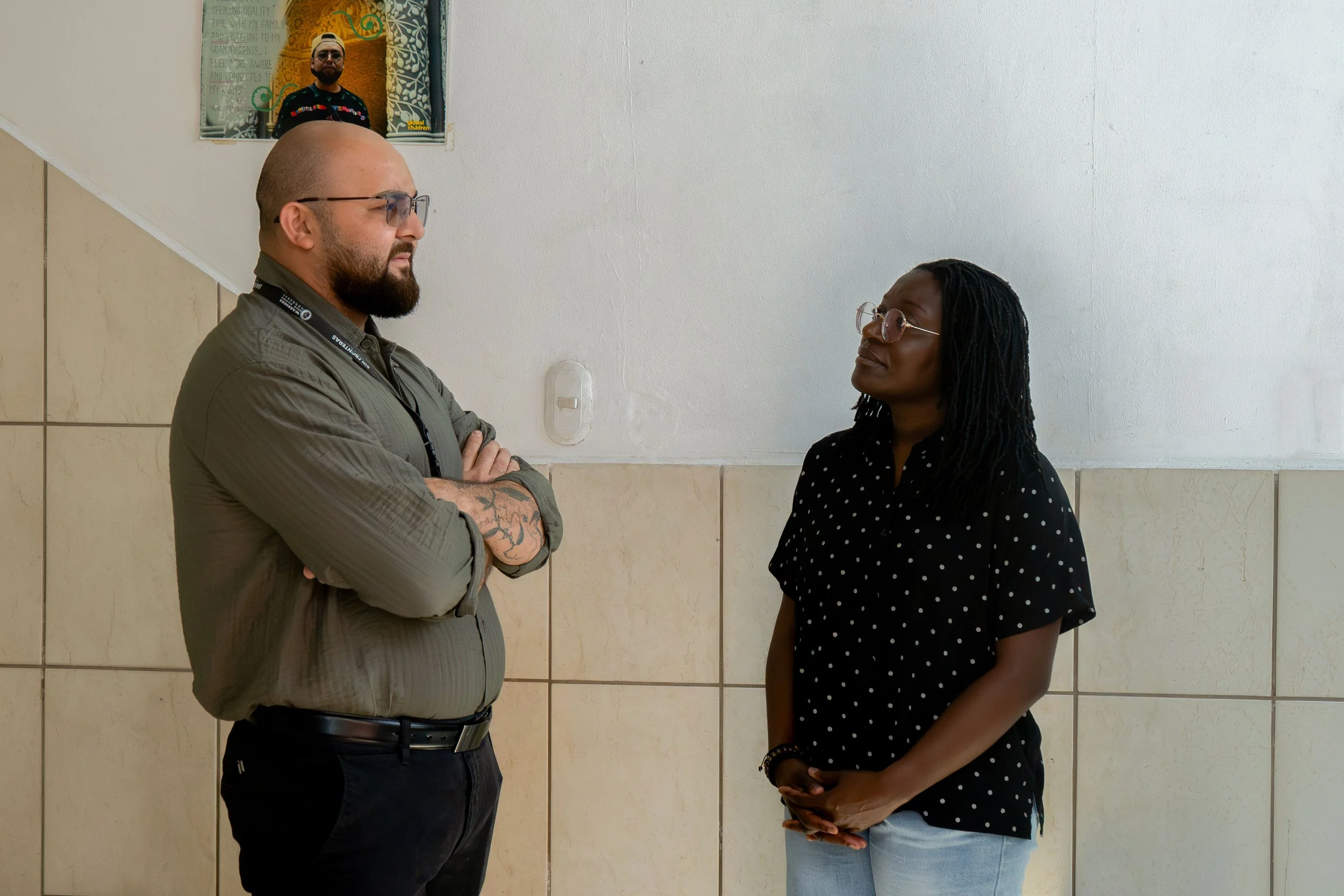
When we turned onto the street in Chamelecón, the building didn't immediately stand out. It looked like a typical white home — security cameras mounted, barbed wire lining the top of the walls. In a neighborhood shaped by years of gang influence and invisible territorial boundaries, that kind of exterior makes sense.
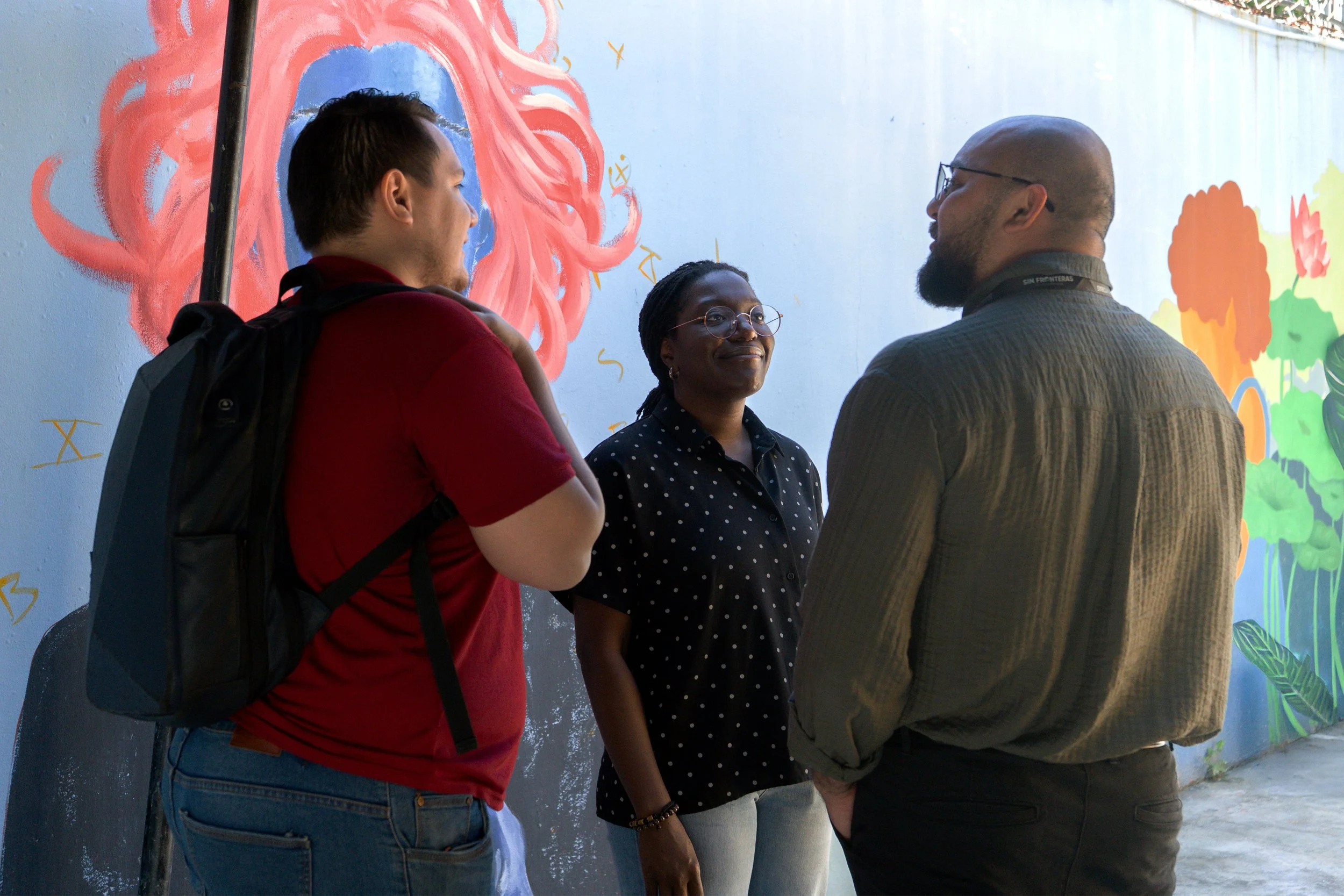
But just beyond the side of the house, a vibrant mural of a warrior came into view. Protective, but alive.
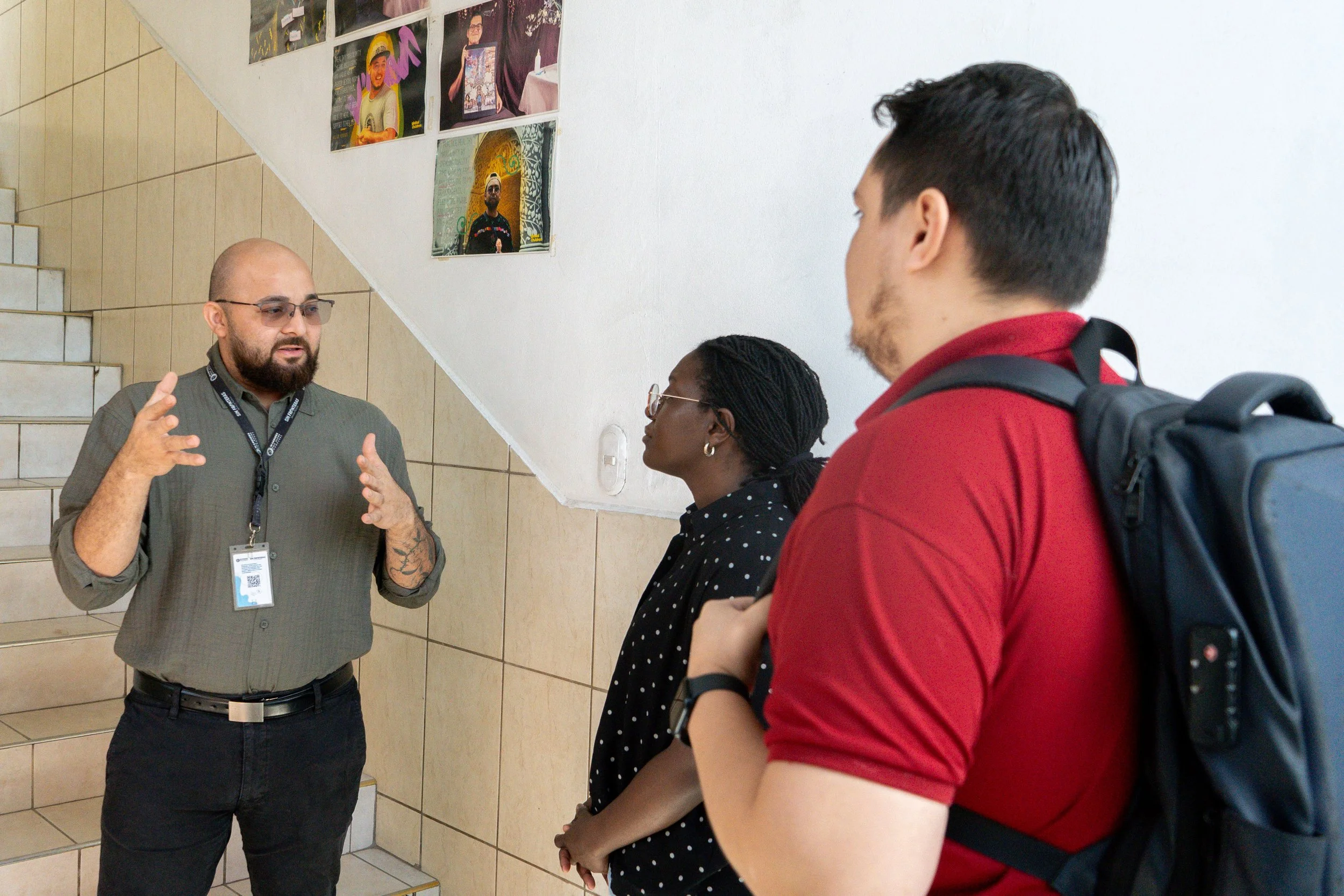
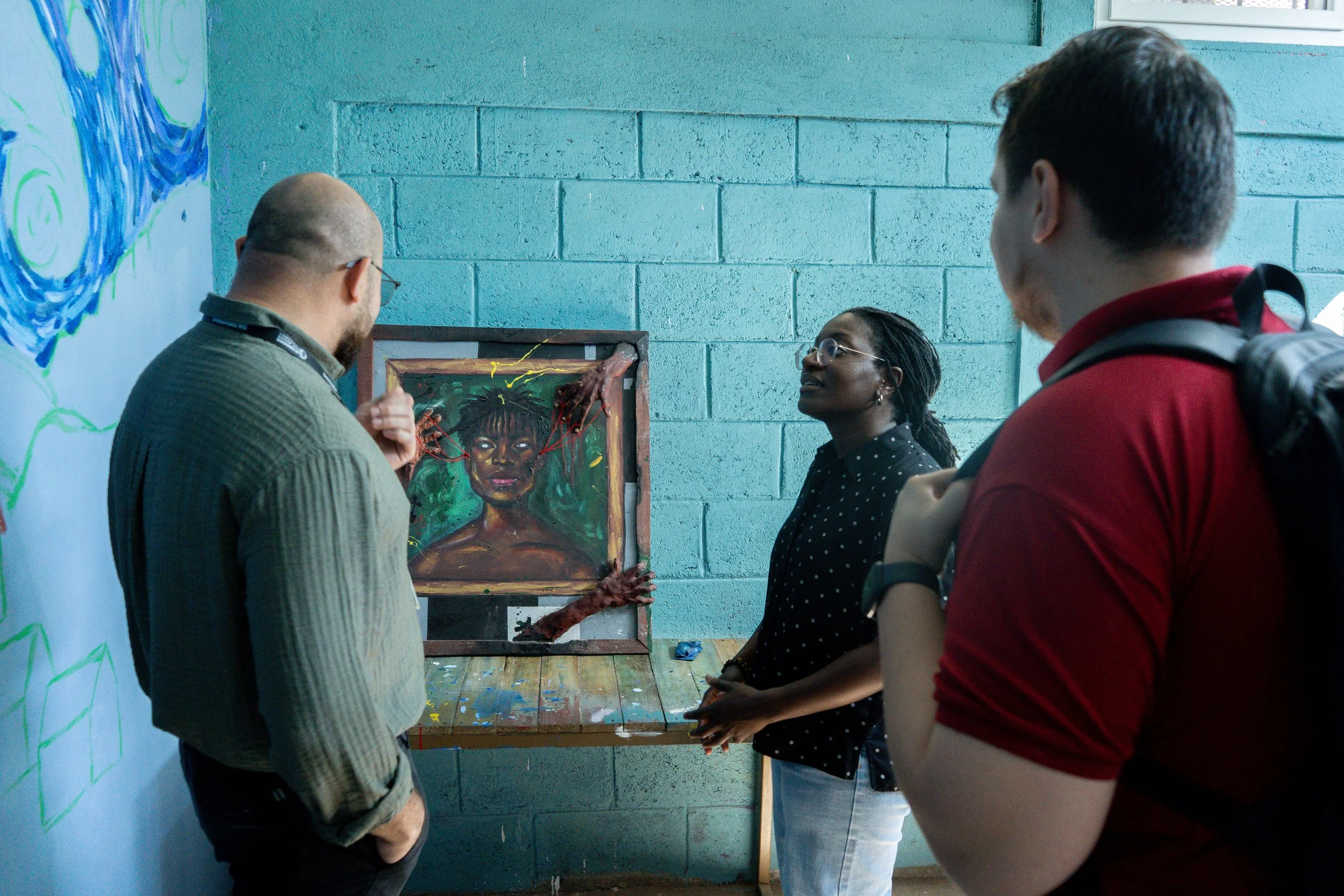
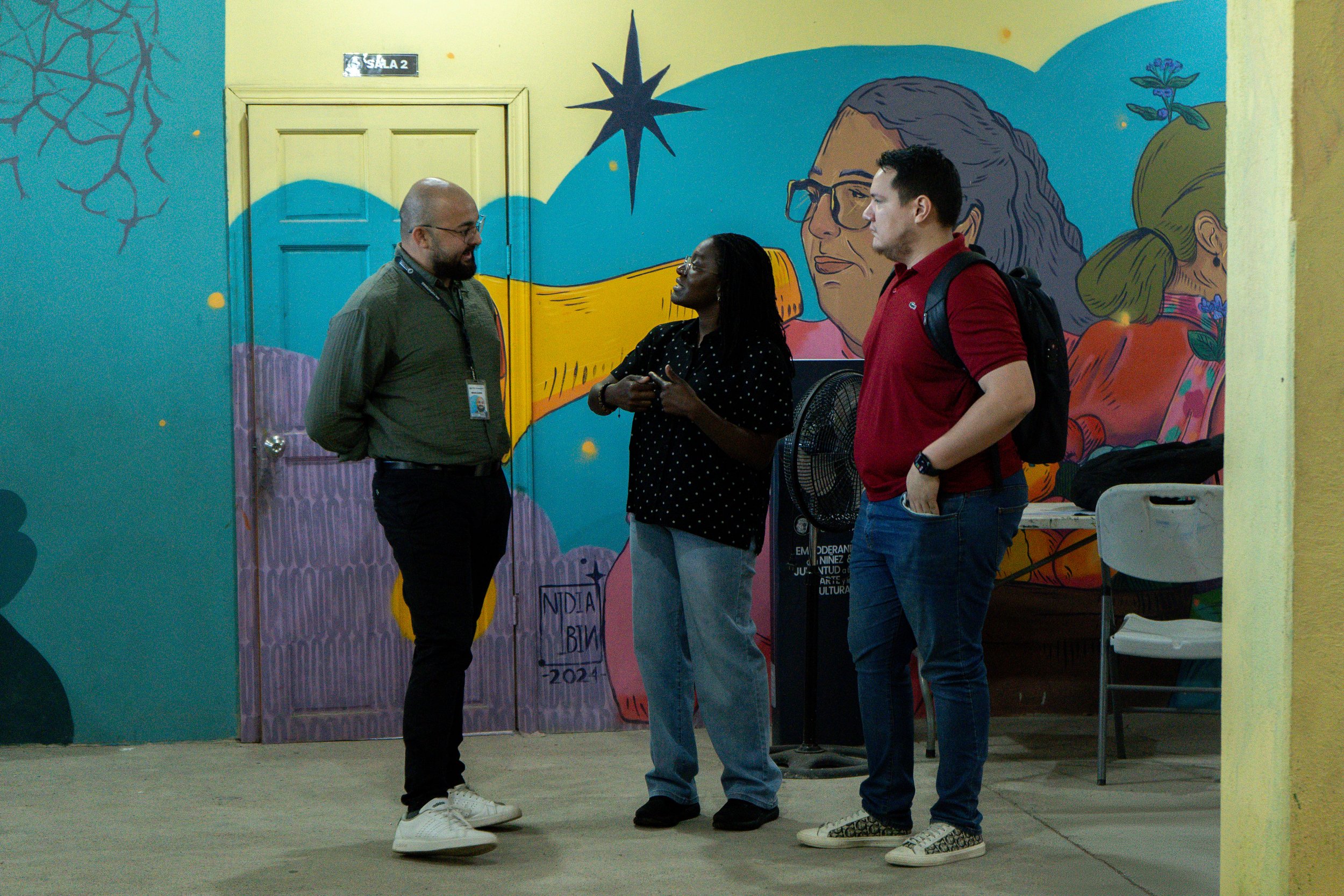
Inside, the space transformed completely. Walls covered in student artwork and large-scale murals. Color. Movement. Ownership. Environment shaping identity.
Juan Enamorado — a Professional Fellows Program alumnus — told Keshia plainly: breakdancing saved his life. What started as dancing in the streets has grown into a structured program operating in this space since 2016.
"If gangs recruit through belonging and brotherhood, Warriors Zulu Nation must offer something stronger."
Older youth mentor the younger ones. Programming extends beyond dance — rap, painting, chess, multimedia, sexual health education for girls, and a growing focus on healthy masculinity. This is prevention work rooted in culture.
There are visible walls around the building. Inside, the work is about dismantling the invisible ones.